Screen interaction
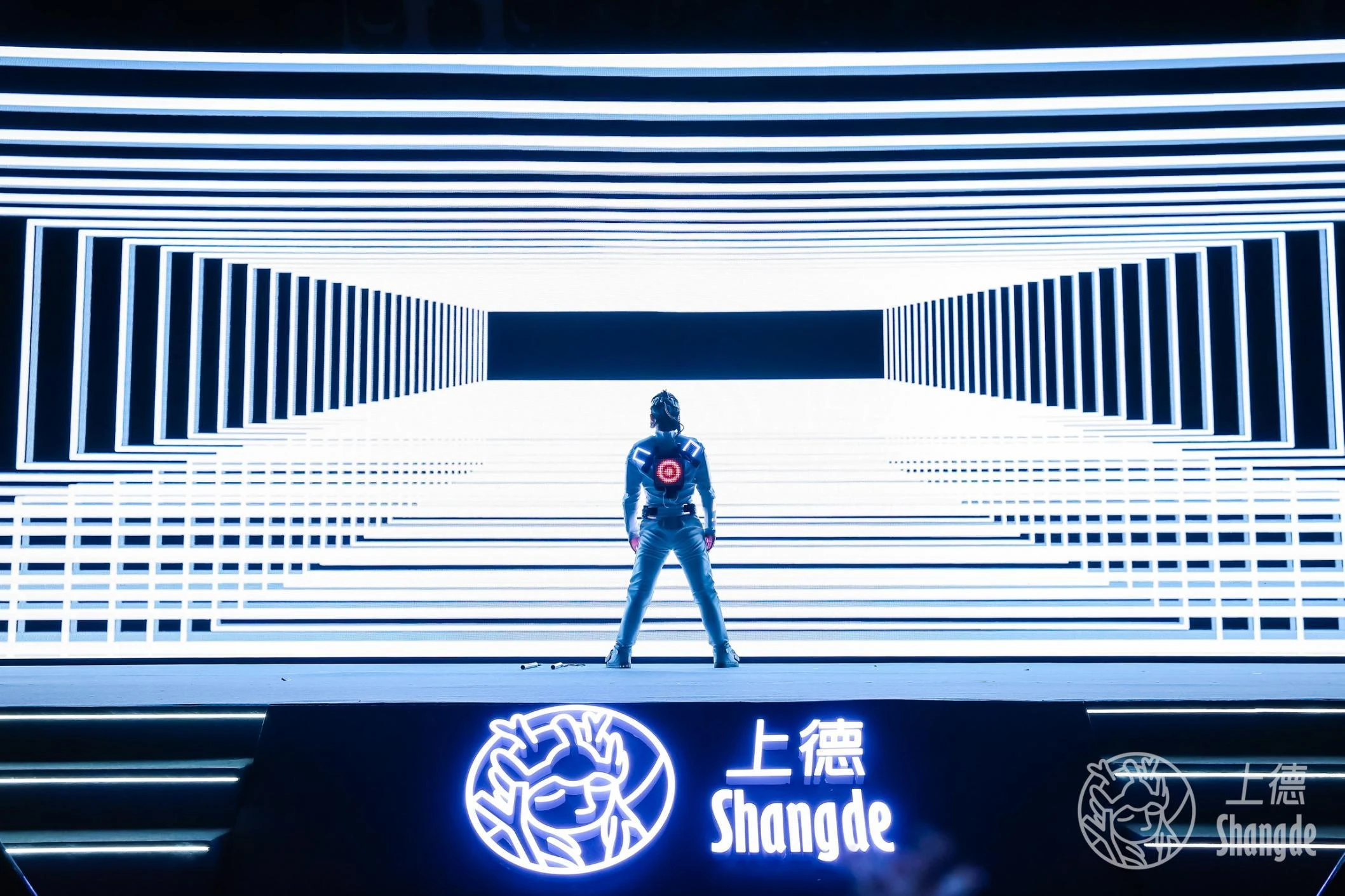
Gestures and on-screen events are composed into a shared timeline.
Team BOOMBOX / Illusion & live media
Live movement and moving imagery are written as one scene.
The creative approach
Screen video, layered projection and mapped surfaces each create a different relationship with the performer. A rehearsed playback sequence and a sensor-responsive scene are different production approaches, selected around the brief.
Within this format
Gestures and on-screen events are composed into a shared timeline.
Layered surfaces and mapped imagery expand the apparent space around the performer.
Camera or sensor input can be explored when the story calls for a live response.
Plan this performance
A rehearsed media exchange and an input-driven interaction create different production tasks. Decide whether the audience should see a precisely composed sequence, influence a response or experience a mixture of the two.
Is the image carried by an LED screen, projection surface, mapped object or layered stage arrangement?
Does the performer follow a rehearsed timeline, or must a detected action change the media in real time?
Who supplies the story, assets and surface plan, and which parts need prototyping before choreography is finalised?
From enquiry to development
Bring the narrative and actual display plan. Content, playback or sensing, performer movement and rehearsal should be scoped together; a still reference alone does not establish how a live response works.
Bring the display or surface plan, narrative and intended audience interaction. Content development, playback or sensing and rehearsal are scoped together.
Start a conversation
Tell us about the occasion, venue and intended programme. We can discuss a repertoire starting point and the development your project needs.